



SKIMGRIP THIN BED ADHESIVE
FOR BRICK AND LIGHT WEIGHT BLOCKS LAYING
Desciption
A pre-blended White Portland Cement, Specially sized inert
aggregates and approved chemical additives. It is a Cement
based adhesive which good workability and strong adhesion
for brick and light weight blocks.
It is pre-packed and just by adding the required amount of
water and it is ready for application.
THIN BED ADHESIVE


COVERAGE:
:4.5KG/M2 (3MM THICKNESS)
40 kg / 70 pcs Blocks (3MM THICKNESS)
COLOUR:
White
CONTENTS:
40 KG/BAG
PACKING:
40 BAGS/ PALLET

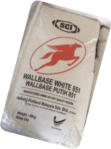
SCI - WALL BASE
INTERNAL & EXTERNAL WALL
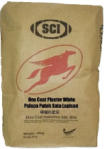
SCI – ONE COAT
PLASTER
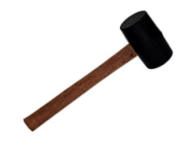
RUBBER MALLET


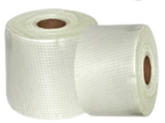
FIBRE MESH
Description
NET-FGN-S
5.5” MM X 100 METER
NET-FGN
39” X 100 METER
AAC BLOCK TOOLS AND MATERIAL

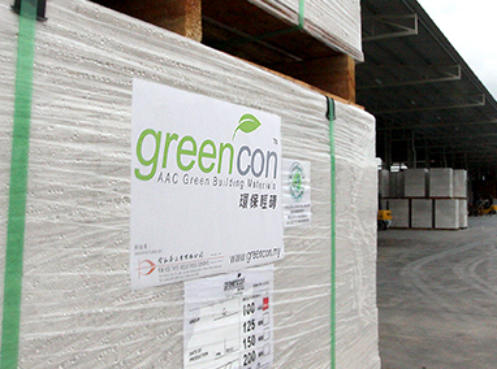

Autoclaved Aerated Aconcrete (AAC)
CODE : [BM-E-126]
Description
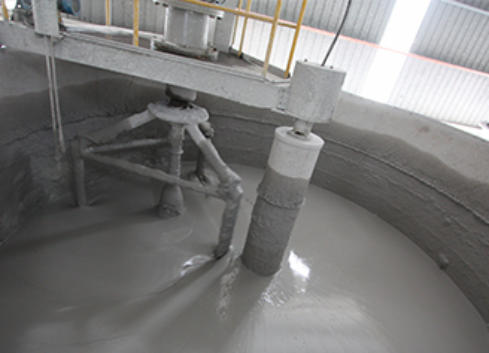
AAC is a lightweight cellular material which is formed by a
chemical reaction between finely divided calcareous and
siliceous materials. The calcareous component is usually
lime and/or cement. The siliceous component usually
consists of natural or ground sand and/or industrial by-
products such as slag and pulverized fuel ash (PFA), also
known by fly ash.
The cellular structure is achieved by either a chemical
process causing aeration, or by introducing air voids by
mechanical means into a slurry which contains no coarse
material The aeration is caused by the addition of a small
quantity of acidic aluminium paste that reacts with the
alkaline lime &; cement to expand the mixture.
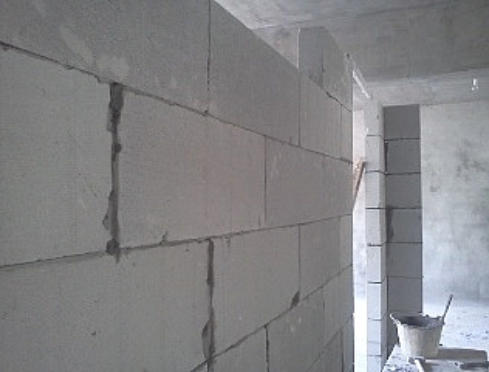

Cost Effectiveness
AAC blocks are approximately one-fifth the weight of normal
concrete. Total construction cost saving can be achieved through
reduction in working load of foundation and steel bar. In addition,
reductions in maintenance, energy bills and insurance are realized
thereafter.

Durability
AAC has proven to be a very durable material. AAC will not rot, warp,
rust, corrode, or otherwise decompose. AAC is not a food source for
insects and does not harbour or encourage vermin. AAC has been
used in many countries around the world for over 60 years and is
proven to be in good condition until now.

Energy Saving
AAC has excellent thermal insulation properties due to the cellular
structure. Building constructed with AAC tends to be cooler in
summer and warmer in winter and can significantly reduce heating
and cooling cost. The air infiltration is minimized and thermal
efficiency is fully utilized.

Fire Resistant
AAC is incombustible and thus it’s suitable for fire-rated applications,
with fire rating in excess of 4 hours possible. Toxic fumes generated
from traditional materials burning pose a danger. AAC is an inorganic
material that does not burn. The melting point of AAC is over 2900oF,
more than twice the typical temperature in building fire of 1200oF.

Noise Resistant
The wall constructed by AAC provides exceptional acoustic insulation.
Its porous structure and high surface mass, coupled with its ability to
dampen mechanical vibration energy, greatly reduce outside
environmental noise pollution and the indoor echo effect, providing a
quieter, more comfortable interior for the occupants. AAC sound wall
system can achieve STC rating up to 60.

Workability
AAC blocks can be quickly installed or cut into the desired dimension
including accurate angles and other shapes. AAC can also be drilled,
nailed, grooved, routed, shaped, sculpted, carved, coated, floated,
screwed into and milled with common tools and finished with paint,
tile, drywall, plaster, or veneer. Window trim, chases for plumbing,
wiring and outlets, and decorative features like keystones, window sills
and columns can easily be created on the job site.

Non-Toxic
AAC is an inert material that is completely non-toxic. The main
ingredients of AAC are quartz sand, cement, lime and water. After the
production process and steam curing (autoclaving), the materials
chemical and mineral composition has been stabilised to form a solid
Tobermorite crystalline structure which is a volcanic material found in
nature. This material is inert and harmless to touch.

Breathable
AAC is breathable and therefore allows the diffusion of moisture
vapour, helping to moderate moisture levels within a building. AAC
walls self-regulate indoor humidity levels by automatically absorbing
and releasing moisture. This is vital for maintaining correct relative
humidity, preventing condensation and associated problems with
fungal moulds. Breathable acrylic exterior coatings provide a water
resistant barrier while still allowing moisture vapour transfer.
Versatile
AAC can be used for all applications including walls, roofs, floors and
balconies, in both load-bearing and non-load bearing applications.



AAC contains a pore content of approximately 80%. That is the
reason why 4m3 of construction material can be produced out of
1m3of raw materials. The low consumption of raw materials
contributes to their conservation compared to other construction
materials.

By-products of AAC production such as condensate from the
autoclaving, hardened AAC waste and unhardened AAC mixture
can be recycled back into the production of AAC. Besides, other
industrial waste like fly ash and slag can be utilized as main raw
materials too

AAC is autoclaved at a pressure of roughly 12 bar and 190oC.
Energy is consumed during this process. The total amount of
energy consumed during the production of AAC, including
conditioning energy for raw materials, internal power
consumption and energy contents for raw materials which are
not produce in AAC plant (e.g. lime, cement, aluminium powder),
is found to be a total consumption of 2010MJ/t or 1005MJ/m3 at
density of 500kg/m3, which is 2 or 3 times lower than other
building materials such as burnt bricks.

Emissions of gasses such as CO2, CO and NOx which originate
from the steam generation while producing AAC are relatively
low compared, for example, with burning processes in bricks
industry.

With excellent thermal insulation properties, AAC building has
very good thermal resistance quality and therefore in many
instances the use of supplementary insulation is unnecessary. It
also takes less energy to heat or to cool an AAC building
AAC is breathable and effective in moderating the moisture
levels and maintaining the correct relative humidity to achieve a
comfortable and mould-free living environment.
The dry density of AAC is approximately one-quarter of normal
high density concrete, resulting advantages in transportation as
a good ratio of volume to weight permits full utilization of
transport capacity, and means effectively 1 truck of normal
materials equal to 5 trucks of AAC products.


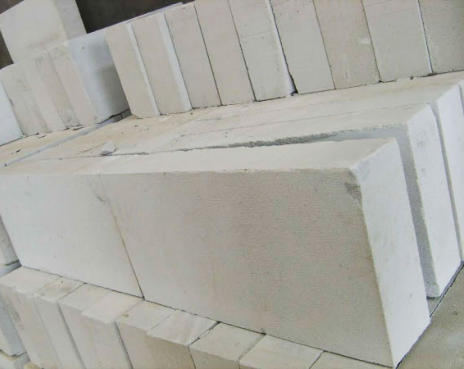
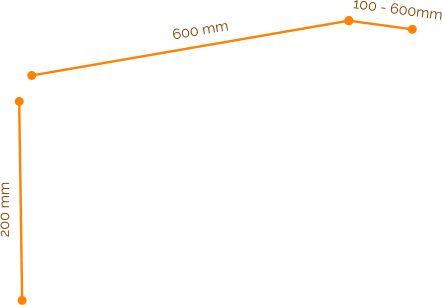
AAC BLOCKS

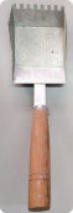
NOTCH TROWEL
BM-E-TRO
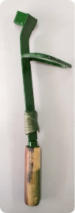
HAND ROUTER
BM-E-HR

TUNGSTEN SAW
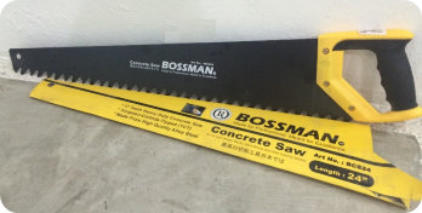

ACC Block Tools and
Materials

SKIMCOTE (Grey / White)
POLYMER MODIFIED CEMENT PLASTER
Desciption
A cement based premixed plaster for thin bed application on
interior and exterior walls.
Uses
EXTERNAL & INTERNAL SKIMCOAT :
Finish - for a fine finish.
Features
•
Durable hardwearing surface
•
Suitable for wet and dry conditions
•
Time and cost saving (50% of normal plastering labour
costs)
•
Reduces material handling and wastage


COVERAGE:
1.5kg/m2 at 1mm thick.
COLOUR:
Grey, White
PACKING:
20KG – 64BAG/PALLET









Copyright 2016 - 2021 UNITY Building Materials. All Rights Reserved.
Autoclaved Aerated Concrete





Links: